Power of your story
Six years ago I wrote my first article about a painful experience. Without fully realizing it at the time, it was an act of taking back control and the start of (re)writing my own story.
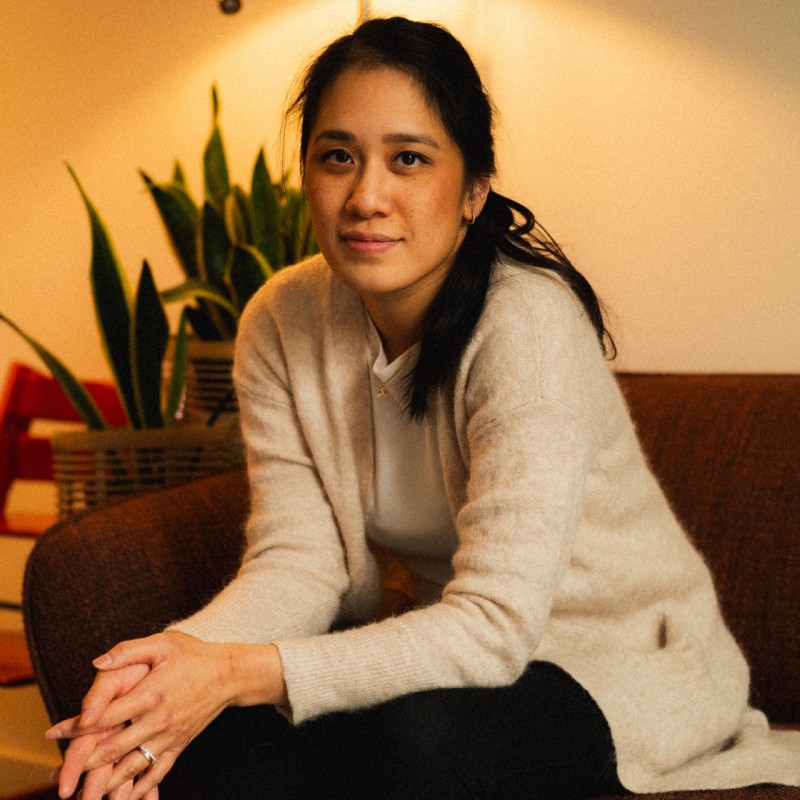 Tu Ngo · 30 augustus 2026
I wrote my first piece on LinkedIn 6 years ago. It was intended as a way to turn a painful experience into insight for others and healing for me.
Now, a couple years older and wiser, I understand it was above all a way to take back control. Control I felt I lost for the first time in my adult life.
That post turned into the start of me (re)writing my story - literally and figuratively.
Up until that point, I believed that with ambition, strategy and data I could solve almost anything. If something unexpected happens, you analyze it, adjust the plan, and move on. But this time, there was no data to optimize or clear step-by-step resolution. Just loneliness and taboo.
When recently I learned about Narrative Identity theory - a concept in psychology by Dan McAdams - it clarified why writing had always felt like more than just sharing to me. The theory suggests that our identity isn't defined by the facts of what happens to us, but by the stories we actively construct to make sense of them (the narrative reconstruction).
That first post wasn't just about sharing an experience, it was my first conscious act of redemption - turning loss into a source of connection and meaning.
And it might not have been a total coincidence. I was reading Becoming by Michelle Obama at the time - a book gifted by my two closest friends after that painful experience. A few weeks after I published my article, I reached this passage (page 188), where she describes her own painful experience in words so similar to mine. Reading that after all the reactions to my own piece was additional confirmation. Stories connect.
Since then, writing has anchored many key transitions in my life. Each moment led me to ask: What story am I telling myself about this? And what learnings do I take from this experience?
Our identity is not set in stone or limited by our achievements or past. We are its authors. The facts of the past don't change, but the meaning we give to them is up to us.
Shaping your own story gives you power.
But no story is written in a vacuum. The way we view ourselves is partially shaped by the stories we have of those who came before us. When their stories are left untold, we fill the gaps with our own assumptions. Sometimes the most important step in writing our own story is finally asking about theirs.
Start the conversation you have been putting off.
Discover the conversation cards